Our Exercise for Meralgia Paresthetica
Exercise for Meralgia Paresthetica
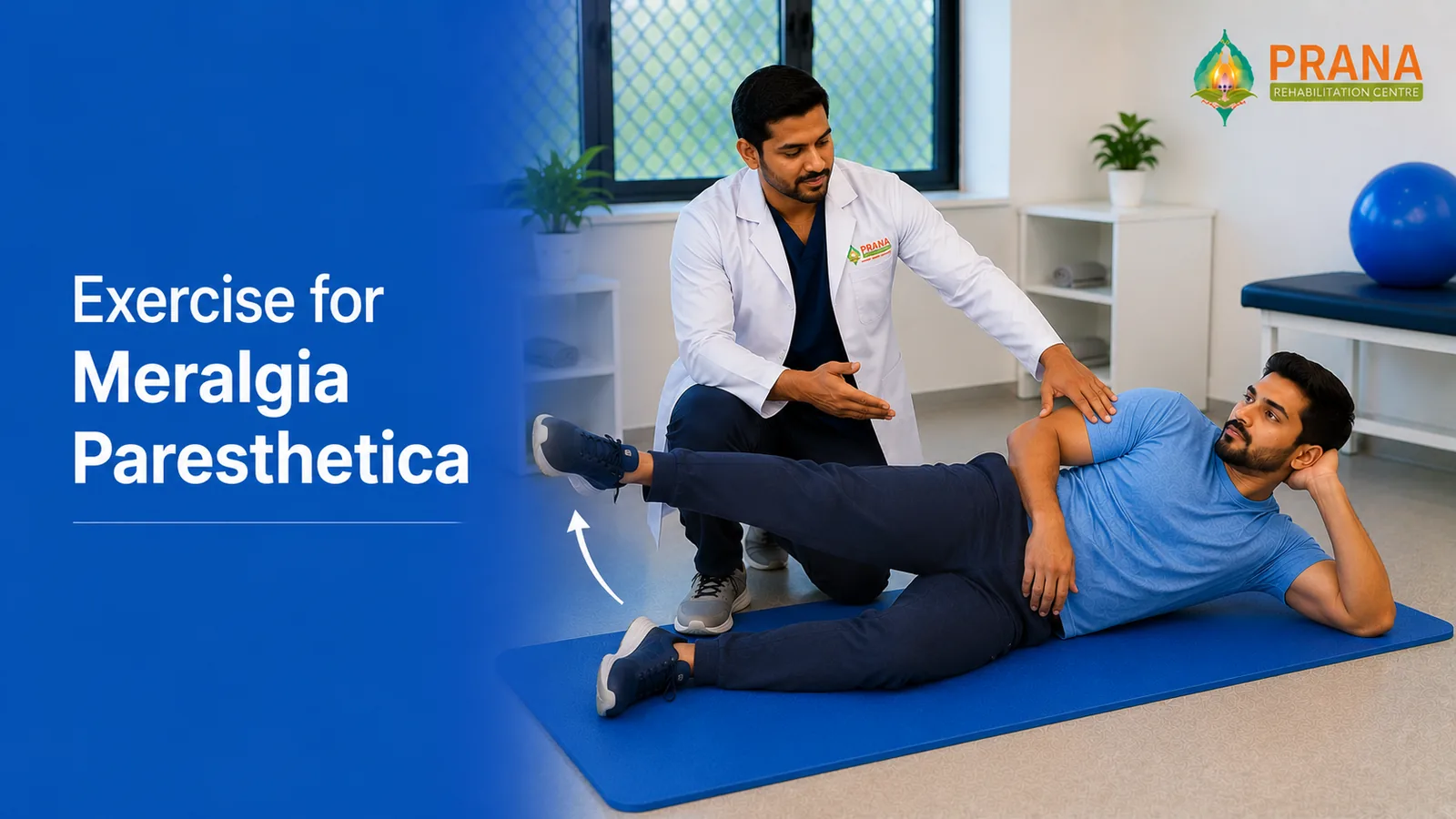
Exercises for meralgia paresthetica are gentle stretching and strengthening movements designed to reduce pressure on the lateral femoral cutaneous nerve, which supplies sensation to the outer thigh. This condition often develops due to nerve compression caused by tight muscles, obesity, prolonged standing, or wearing tight clothing. These exercises focus on loosening hip and thigh muscles, improving posture, and reducing nerve irritation to support better comfort and mobility.
Common Symptoms
- Burning pain in the outer thigh
- Tingling or numbness in the thigh
- “Pins and needles” sensation
- Increased discomfort while walking or standing for long periods
- Symptoms worsened by tight belts or clothing
How It Helps You
These exercises help reduce pressure on the affected nerve, improve flexibility in the hip and thigh muscles, and enhance blood flow to the area. With regular practice, they can reduce pain, tingling, and numbness while improving walking and standing tolerance. They also help correct posture and reduce muscle tightness, preventing worsening of symptoms.
Note
These exercises should be performed gently, regularly, and with controlled movements. Avoid tight clothing and prolonged pressure on the hip area to support better relief and recovery. Consistent practice helps reduce symptoms, improve mobility, and support healthy nerve function.
Physiotherapy Programs
How it works
At our stroke rehabilitation center, we focus on personalized care with expert physiotherapists and advanced therapy techniques to ensure safe, steady, and effective recovery.

Initial Assement
Understand patient condition

Personalized Plan
Tailored recovery program

Guided Therapy
Hands-on rehabilitation sessions
Patient & Family Education
Empowering through knowledge

Re-Assesment
Check recovery progress

Progress Tracking
Continuous improvement monitoring


Related Articles

Pain Management Pain is one of the most common health concerns affecting people of all ages. It may arise due to poor posture, injury, muscle …

Stress Management: Finding Balance in a Busy World Why Stress Has Become So Common ? In today’s fast-paced lifestyle, stress has quietly become a part …
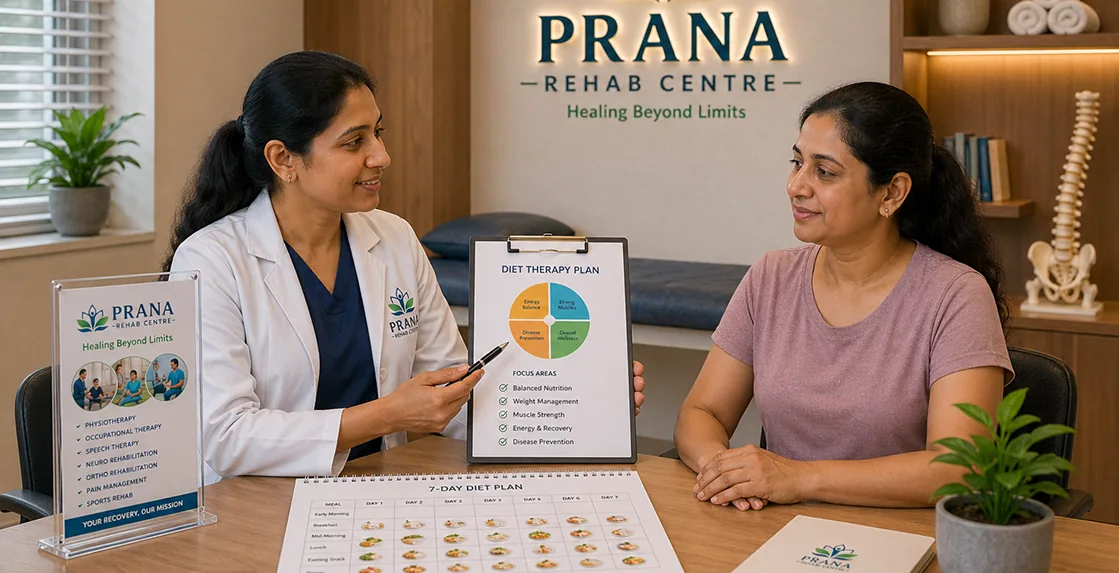
"மருந்தென வேண்டாவாம் யாக்கைக்கு அருந்தியது அற்றது போற்றி உணின்" Diet plays a vital role in maintaining good health, preventing illness, and supporting recovery. It is not merely …
Frequently Asked Questions
What is physiotherapy treatment?
Physiotherapy helps improve movement, reduce pain, and restore physical function through therapeutic exercises and treatments.
What conditions can physiotherapy treat?
Physiotherapy can help with pain, injuries, muscle weakness, joint problems, paralysis, and rehabilitation recovery.
Is physiotherapy useful after rehabilitation treatment?
Yes, physiotherapy helps improve strength, flexibility, and physical recovery after rehabilitation.
What techniques are used in physiotherapy?
We use exercises, stretching, manual therapy, mobility training, and pain management techniques.
Do you provide personalized physiotherapy plans?
Yes, treatment plans are customized according to each patient’s needs.
Is exercise included in physiotherapy treatment?
Yes, therapeutic exercises are an important part of physiotherapy recovery.
Can elderly patients benefit from physiotherapy?
Yes, physiotherapy helps improve mobility, balance, and strength in older adults.
How can I book a physiotherapy consultation?
You can download mobile app from store or contact Prana Rehab through phone/WhatsApp +91 944 272 4890, or the website (https://pranarehabtrichy.com/) to schedule an appointment.


