Stress Management: Finding Balance in a Busy World
Why Stress Has Become So Common ?
In today’s fast-paced lifestyle, stress has quietly become a part of everyday life. From work deadlines and academic pressure to family responsibilities, financial worries, and personal expectations, many people constantly feel mentally and emotionally exhausted. While stress is a natural response to challenges, unmanaged stress can gradually affect emotional wellbeing, physical health, relationships, and overall quality of life.
Stress is the body and mind’s reaction to situations that feel overwhelming or difficult to manage. A small amount of stress can sometimes improve motivation and productivity, but when stress becomes constant, it can lead to anxiety, burnout, irritability, sleep problems, lack of concentration, and emotional exhaustion. At Prana, we psychologists often observe that many individuals ignore the early signs of stress until it begins affecting their daily functioning and mental health.
Understanding the Signs of Stress
Stress affects both the mind and the body. Some people experience emotional symptoms, while others notice physical discomfort without realizing stress is the underlying cause.
Common Physical Symptoms
- Headaches and body pain
- Fatigue and low energy
- Muscle tension
- Sleep disturbances
- Changes in appetite
- Frequent illness due to reduced immunity
Emotional Symptoms
- Anxiety and overthinking
- Mood swings and irritability
- Difficulty concentrating
- Feeling overwhelmed
- Lack of motivation
- Emotional burnout
Recognizing these signs early is important because unmanaged stress can slowly impact confidence, relationships, productivity, and emotional stability.
How Our Thoughts Increases Stress?
Many people believe stress comes only from external situations. However, psychology shows that our thoughts and interpretations also play a major role in increasing stress levels.
Negative thinking patterns such as:
- “I am not good enough”
- “I cannot handle this”
- “Everything will go wrong” and so on…,
can intensify emotional pressure and anxiety.
Psychologists use cognitive approaches to help individuals identify these unhealthy thought patterns and replace them with healthier and more balanced perspectives. Learning to manage thoughts effectively helps reduce mental overload and improves emotional control.
Healthy Ways to Manage Stress
Stress management is not about avoiding problems or eliminating stress completely. It is about learning healthier ways to respond to life’s challenges. Simple behavioural changes can significantly improve emotional wellbeing and reduce feelings of overwhelm.
Effective Stress Management Strategies
- Creating a structured daily routine
- Breaking large tasks into smaller steps
- Practicing time management
- Taking regular breaks
- Reducing procrastination
- Setting realistic expectations
These strategies help individuals feel more organized, focused, and emotionally balanced.
The Role of Mindfulness and Relaxation
Mindfulness has become an important part of modern stress management. It helps individuals stay connected to the present moment instead of constantly worrying about the future or replaying past situations.
Helpful Relaxation Techniques
- Deep breathing exercises
- Meditation and mindfulness practices
- Grounding techniques
- Body relaxation exercises
- Engaging in calming activities
These techniques help calm the nervous system, improve emotional regulation, and reduce anxiety. Even practicing mindfulness for a few minutes daily can improve sleep, focus, and mental clarity.
Lifestyle Habits Matter
Mental health is closely connected to lifestyle habits. Poor sleep, unhealthy eating patterns, lack of exercise, and neglecting self-care can make stress more difficult to manage. Healthy habits such as regular sleep, balanced nutrition, physical activity, and spending time on relaxation or hobbies strengthen emotional resilience and improve overall wellbeing.
How We Psychologists at Prana Rehab Help?
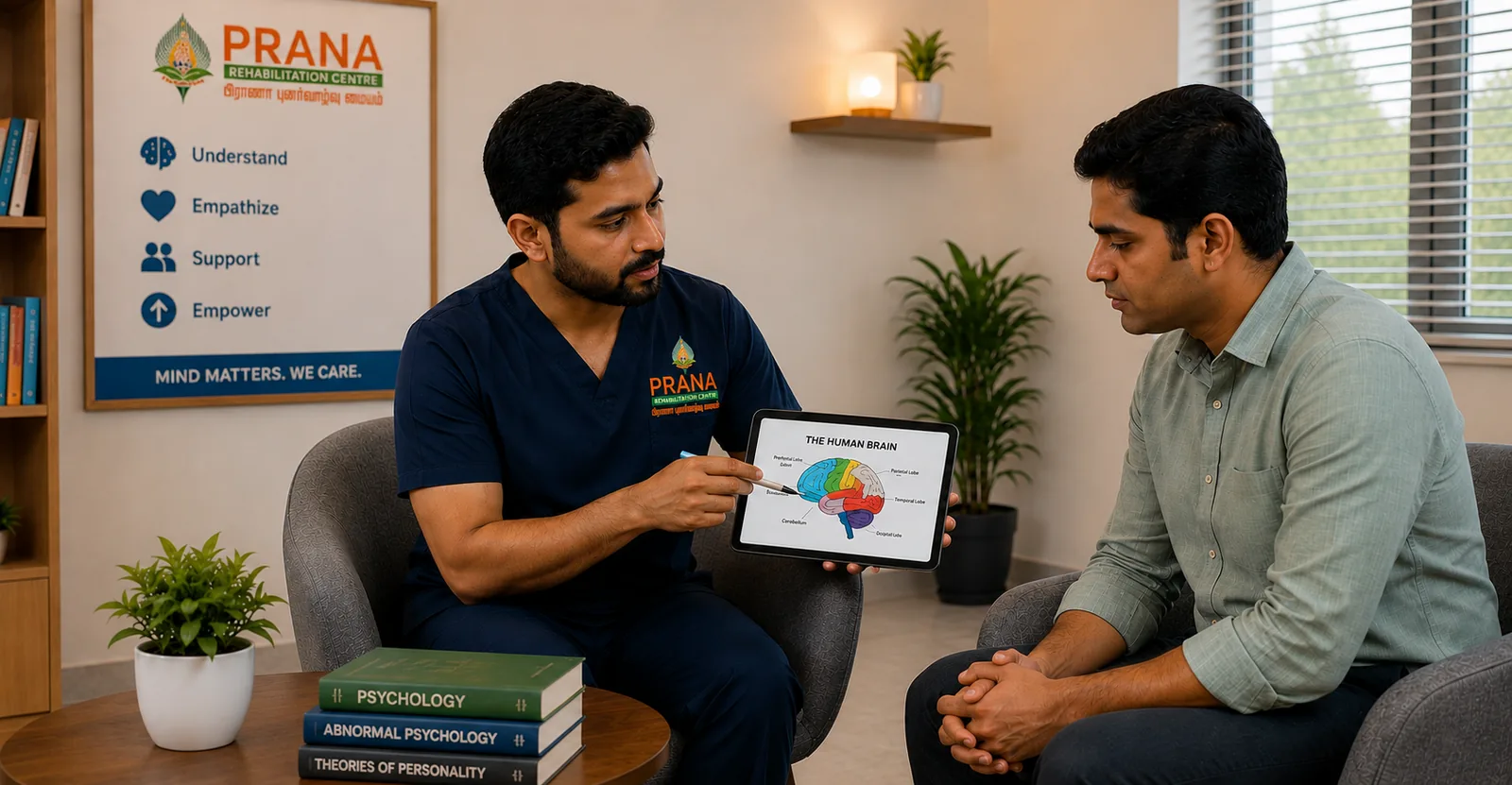
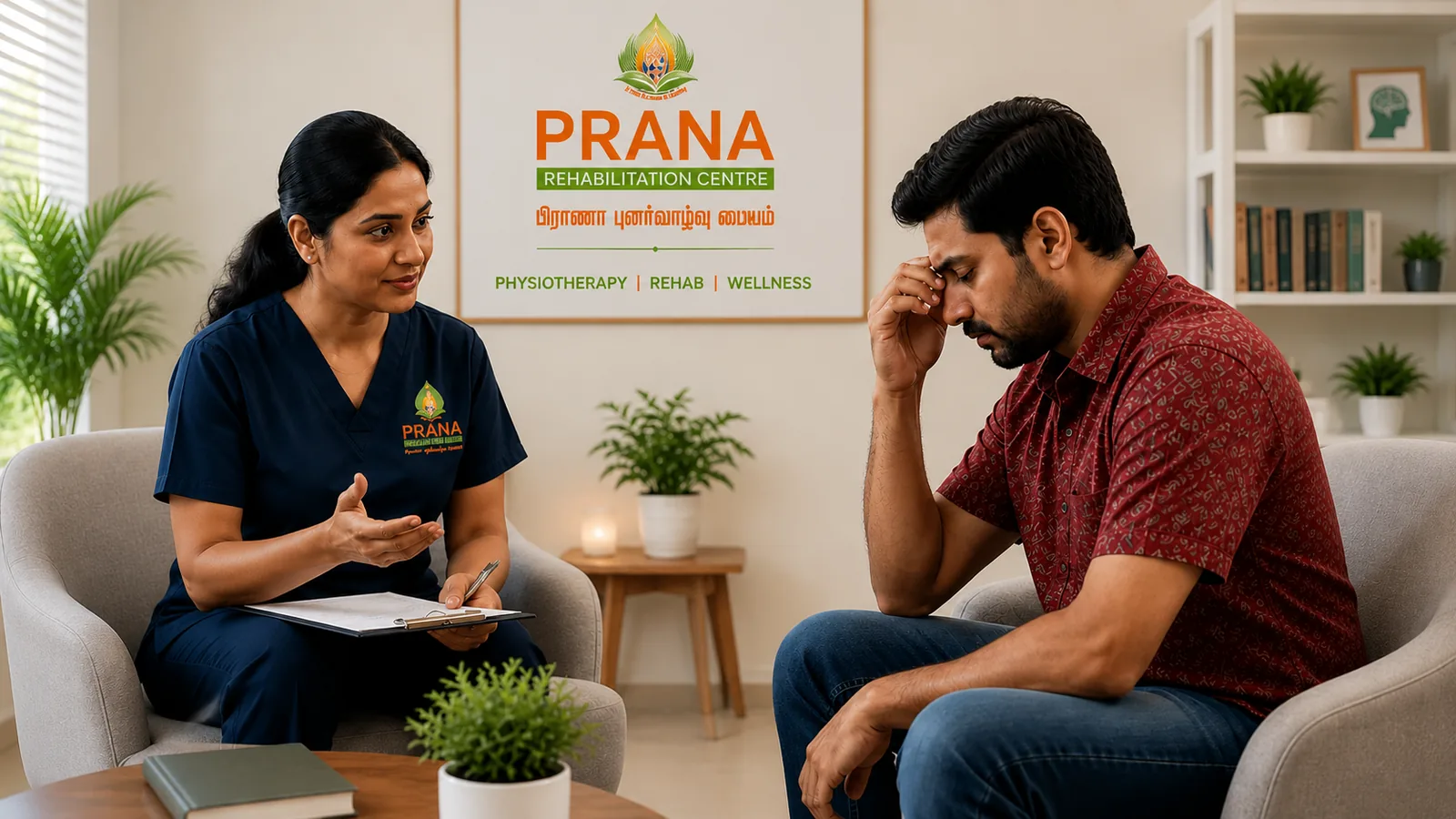
At Prana, we psychologists believe that every individual experiences stress differently. Our approach is supportive, personalized, and focused on long-term emotional wellbeing. We help individuals understand their stress patterns, identify emotional triggers, and develop healthier coping skills through psychological counselling, cognitive techniques, mindfulness practices, and behavioral strategies. Seeking professional support is not a sign of weakness. It is an important step toward emotional healing, self-awareness, and personal growth. With the right guidance and support, stress can become manageable rather than overwhelming, helping individuals lead calmer, healthier, and more fulfilling lives.
At Prana, we guide you towards a more peaceful, resilient, and balanced life.