“Recover Faster with Our Advanced Rehab Programs” Explore Programs

Showing treatments for Therapeutic Asana

Asana for Diabetes mellitus
Therapeutic Yogasanas

Asana for Diabetes mellitus

Diabetes is understood as a chronic metabolic disorder in which the body is unable to properly regulate blood sugar (glucose) levels. This occurs either because the pancreas does not produce enough insulin or because the body cannot effectively use the insulin it produces. Over time, uncontrolled diabetes can affect the heart, kidneys, nerves, eyes, circulation, and overall energy levels. Common symptoms of diabetes may include excessive thirst, frequent urination, fatigue, slow wound healing, increased hunger, and unexplained weight changes. Lifestyle habits, stress, poor diet, obesity, and lack of physical activity can significantly contribute to the progression of diabetes. Importance of Diabetes Asana Diabetes asana therapy focuses on improving overall metabolic health through guided yoga postures, breathing techniques, and relaxation practices. The aim is not only to support blood sugar management but also to enhance physical and mental well-being naturally and safely. Specific asanas such as Ardha Matsyendrasana, Paschimottanasana, and Trikonasana help stimulate the pancreas, improve digestion, enhance blood circulation, and support better insulin sensitivity. Regular practice also helps reduce stress hormones, which play an important role in fluctuating blood sugar levels. Along with physical benefits, these practices promote calmness, emotional balance, and improved sleep quality. The Benefits of Practicing Diabetes Asana • Helps improve insulin utilization and metabolic balance • Supports healthy blood circulation and energy levels • Assists in weight management and physical activity • Reduces stress, anxiety, and mental fatigue • Enhances flexibility, mobility, and overall body function • Encourages better lifestyle habits and self-discipline • Promotes relaxation and improved quality of life Our Approach at Prana Rehab Center Diabetes asanas are carefully personalized according to each individual’s medical condition, physical ability, and lifestyle needs. The goal is to help individuals manage diabetes more effectively, improve daily functioning, and support long-term health through a holistic rehabilitation approach.

Know More
Asana for hypertension
Therapeutic Yogasanas

Asana for hypertension

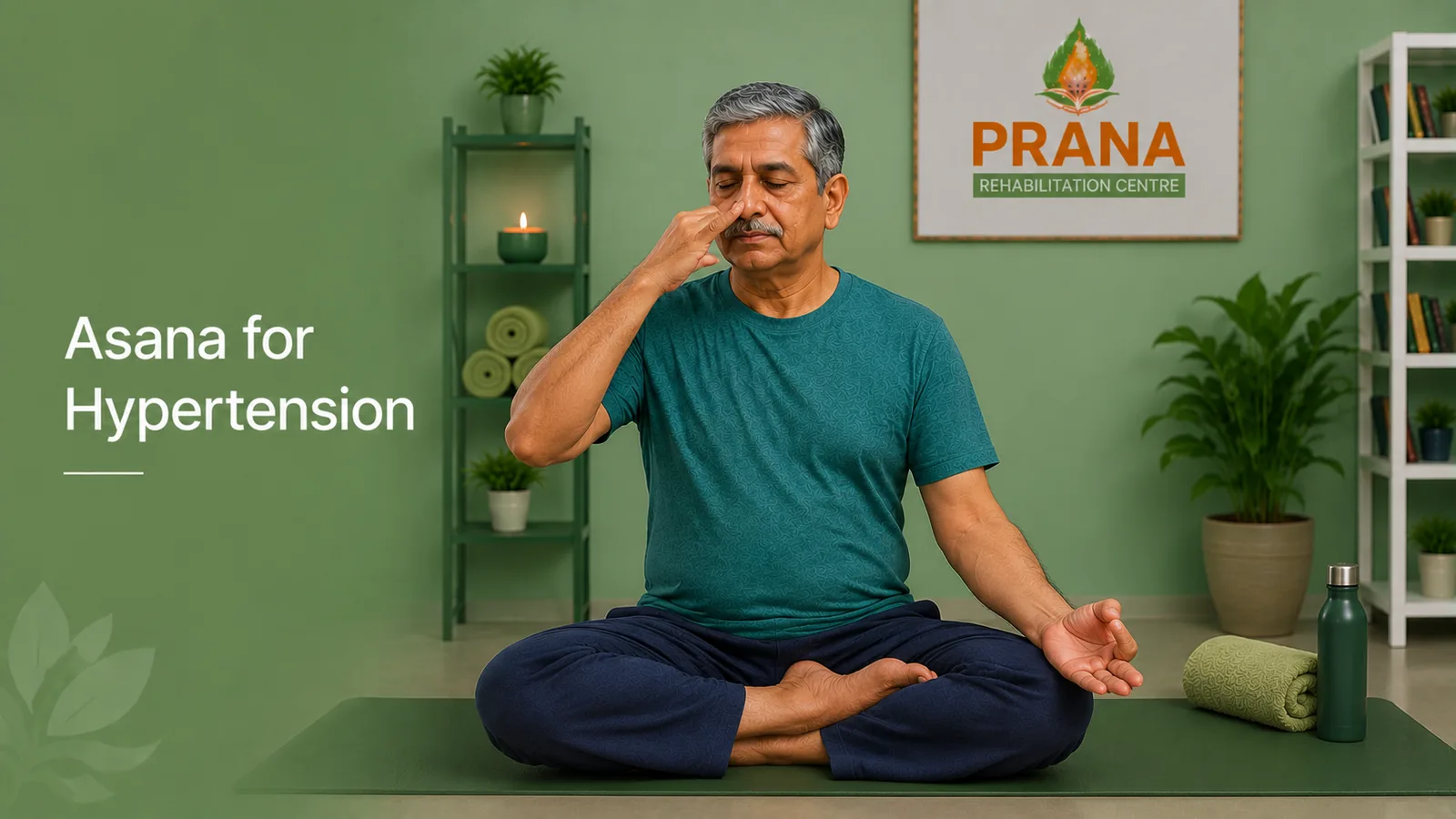
Hypertension, commonly known as high blood pressure, is understood as a condition in which the pressure of blood flowing through the arteries remains consistently higher than normal. Over time, this increased pressure can strain the heart and blood vessels, increasing the risk of heart disease, stroke, kidney problems, and other health complications. Hypertension is often called a “silent condition” because many individuals may not experience noticeable symptoms in the early stages. Factors such as stress, unhealthy diet, obesity, lack of physical activity, smoking, poor sleep, and family history can contribute to its development. Importance of Hypertension Asana Hypertension asana therapy focuses on calming the mind and relaxing the body through gentle yoga postures, breathing exercises, and relaxation techniques. Asanas such as Viparita Karani (Inverted Pose), Makarasana (Crocodile Pose), and Shavasana (Corpse Pose) are designed to support healthy blood circulation, reduce physical tension, and improve the body’s natural stress response. These practices promote relaxation and support better cardiovascular balance. Regular practice may help individuals feel calmer, more energetic, and physically balanced. The Benefits of Practicing Hypertension Asana • Helps reduce stress and mental tension • Supports relaxation of blood vessels and muscles • Improves blood circulation and oxygen flow • Encourages calm breathing and emotional balance • Enhances flexibility and physical well-being • Promotes better sleep and relaxation • Supports a healthier and more active lifestyle • Helps improve overall quality of life Our Approach at Prana Rehab Center Hypertension asanas are carefully personalized according to each individual’s medical condition, physical ability, and lifestyle needs. Our goal is to help individuals manage hypertension naturally, improve overall wellness, and encourage long-term healthy lifestyle habits through a holistic rehabilitation approach.

Know More
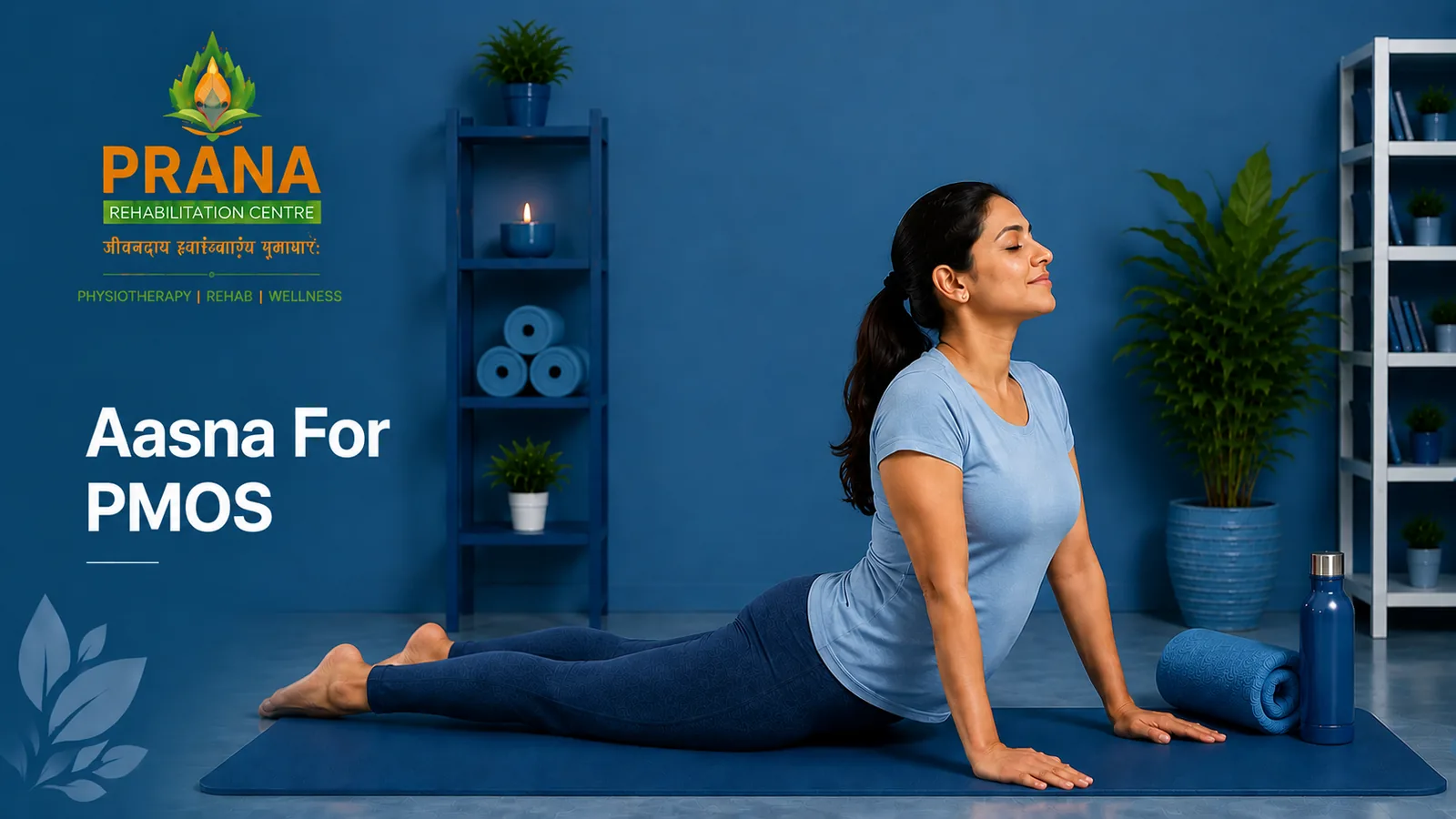
Asana for PMOS
Therapeutic Yogasanas

Asana for PMOS

Polyendocrine Metabolic Ovarian Syndrome (PMOS) is understood as a common hormonal condition that affects women of reproductive age. PMOS occurs when there is an imbalance in reproductive hormones, which can interfere with normal ovarian function. This may lead to irregular menstrual cycles, weight gain, acne, excessive hair growth, fatigue, and difficulty in maintaining hormonal balance. Lifestyle factors such as stress, poor dietary habits, lack of physical activity, and metabolic imbalance can contribute to the progression of PMOS. In some individuals, PMOS may also be associated with insulin resistance, mood changes, and reduced energy levels. Importance of PMOS Asana PMOS asana therapy focuses on gentle yoga postures, breathing exercises, and relaxation techniques that help support hormonal balance, improve circulation, and promote overall physical and emotional well-being. These practices encourage better body awareness and help reduce stress, which is one of the common contributing factors in hormonal imbalance. Regular practice of asanas such as Baddha Konasana, Bhujangasana, Supta Baddha Konasana, Setu Bandhasana, and Dhanurasana may also help improve metabolism, support weight management, and enhance pelvic circulation. Combined with healthy lifestyle habits, yoga-based practices can support better reproductive and metabolic health. The Benefits of Practicing PMOS Asana • Helps reduce stress and emotional imbalance • Supports hormonal and metabolic balance • Encourages healthy weight management • Improves flexibility, circulation, and energy levels • Supports pelvic and reproductive health • Promotes relaxation and better sleep quality • Encourages regular physical activity and healthy habits • Enhances overall physical and mental well-being Our Approach at Prana Rehab Center PMOS asanas are carefully personalized according to each individual’s medical condition, physical ability, and lifestyle needs. We are here to help individuals improve hormonal balance, manage stress, support healthier body function, and achieve long-term wellness through a holistic rehabilitation approach.

Know More
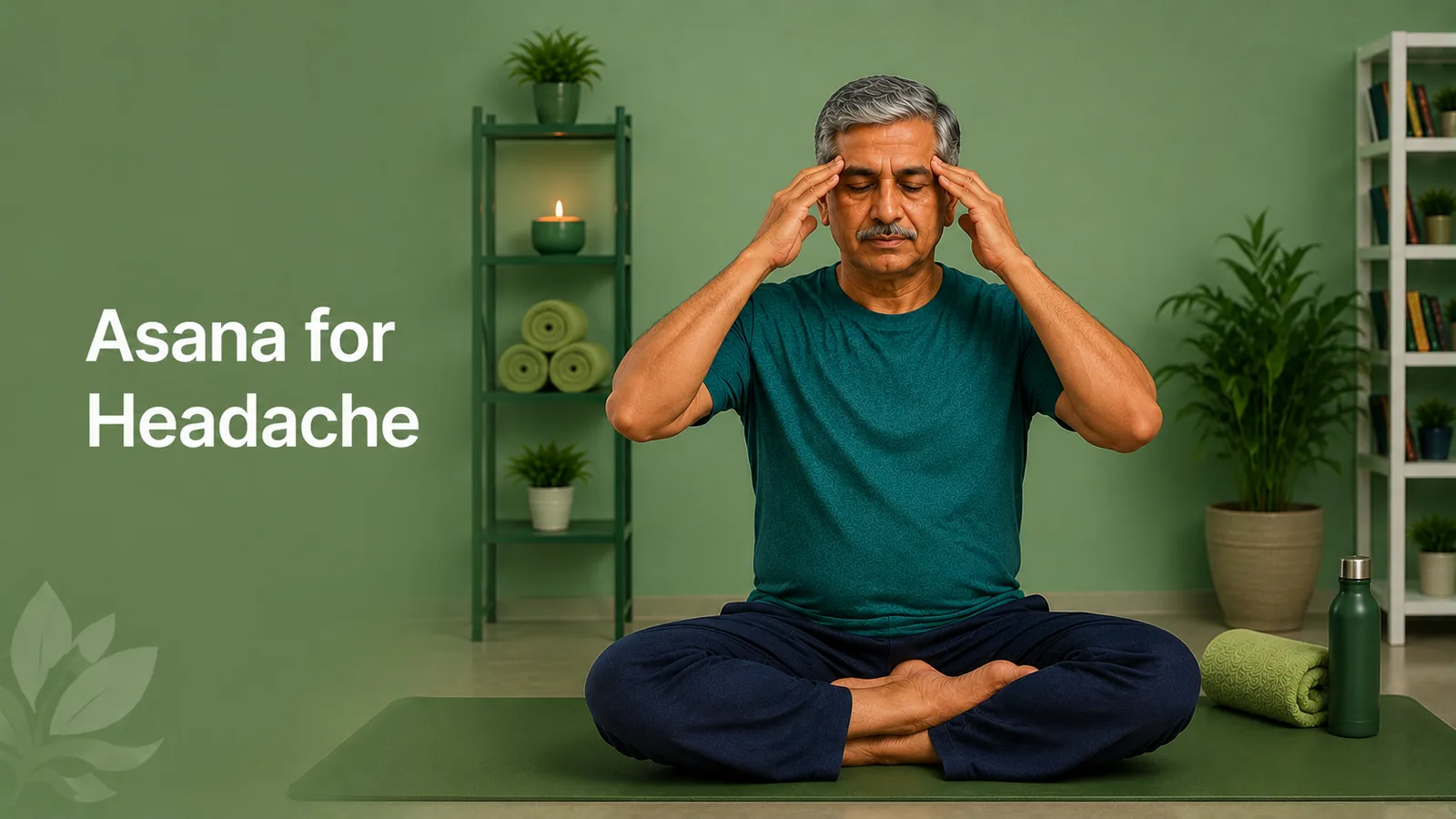
Asana for headache
Therapeutic Yogasanas

Asana for headache

Headaches is a condition characterized by pain or discomfort in the head, scalp, or neck region. Headaches can vary from mild tension-related discomfort to severe pain that affects concentration, sleep, work, and daily activities. They may occur occasionally or become chronic in some individuals. Common causes of headaches include stress, anxiety, poor posture, muscle tension, lack of sleep, dehydration, eye strain, hormonal imbalance, and prolonged screen exposure. Emotional stress and mental fatigue can also significantly contribute to recurring headaches and tension in the neck and shoulder muscles. Importance of Headache Asana Headache asana therapy focuses on gentle yoga postures such as Balasana (Child’s Pose), Shavasana (Corpse Pose), Viparita Karani (Legs-Up-the-Wall Pose), Adho Mukha Svanasana (Downward-Facing Dog), breathing exercises, and relaxation techniques designed to calm the nervous system and reduce muscular tension. These practices help improve blood circulation, relax tight muscles around the neck and shoulders, and promote mental relaxation. Controlled breathing and mindful movements can help reduce stress-related triggers that commonly contribute to headaches. The Benefits of Practicing Headache Asana • Helps reduce stress and mental tension • Supports relaxation of neck and shoulder muscles • Improves blood circulation and oxygen flow • Encourages calm breathing and nervous system relaxation • Helps improve posture and reduce muscular strain • Promotes better sleep and emotional balance • Supports overall relaxation and physical comfort • Enhances quality of life and daily functioning Our Approach at Prana Rehab Center Headache asanas are carefully personalized according to each individual’s medical condition, physical ability, and lifestyle needs. We help individuals reduce headache frequency, improve relaxation, relieve muscular tension, and support overall wellness through a holistic rehabilitation approach.

Know More
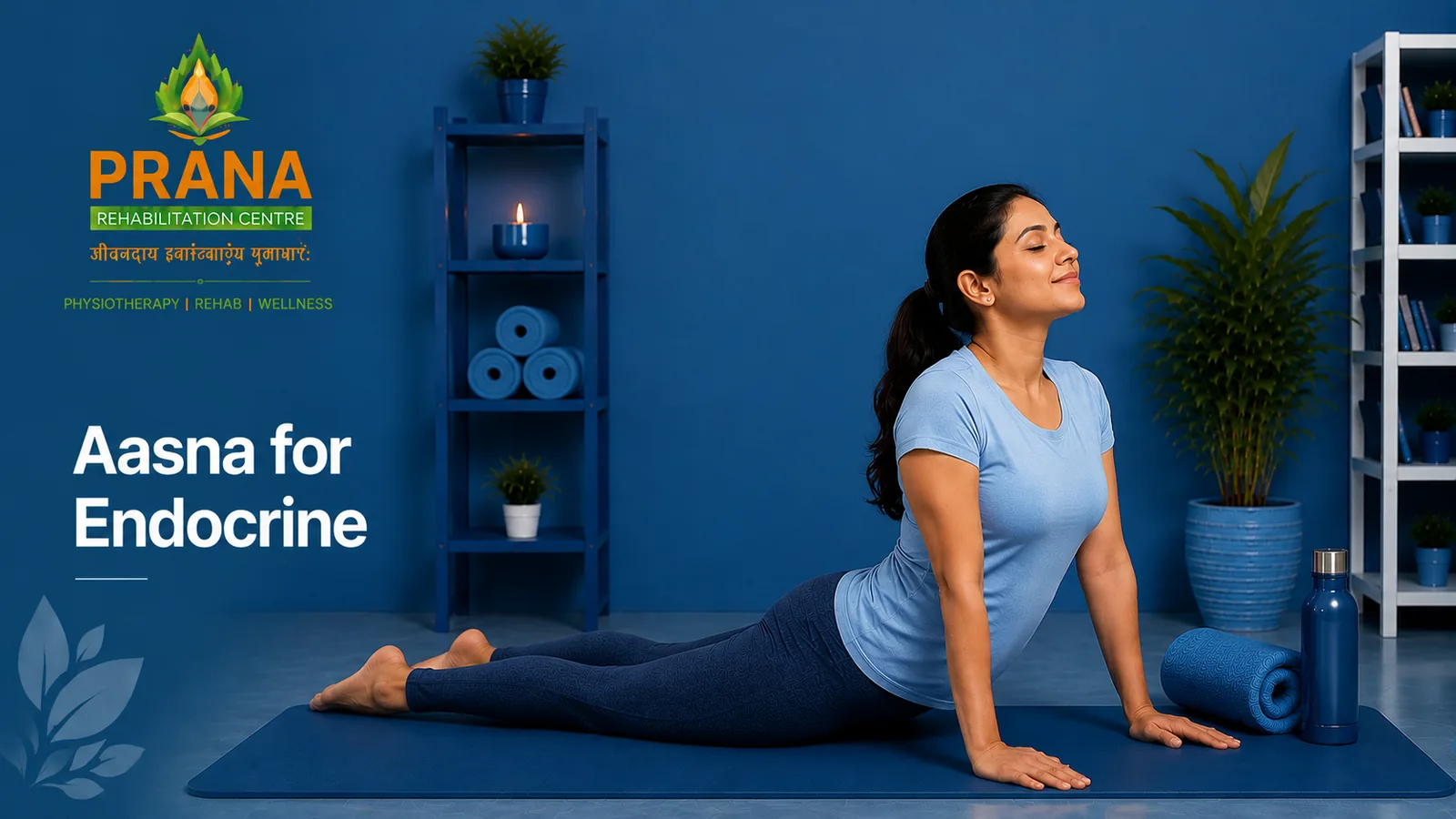
Asana for endocrine
Therapeutic Yogasanas

Asana for endocrine

The Endocrine system is a vital network of glands that produce and release hormones responsible for regulating many important body functions, including metabolism, growth, energy levels, mood, sleep, stress response, and reproductive health. Important endocrine glands include the thyroid gland, pancreas, pituitary gland, adrenal glands, and reproductive glands. When the endocrine system becomes imbalanced, it can lead to hormonal disorders such as thyroid problems, diabetes, obesity, fatigue, menstrual irregularities, stress-related conditions, and metabolic disturbances. Factors such as stress, unhealthy lifestyle habits, lack of physical activity, poor sleep, and improper nutrition can also affect endocrine health and hormonal balance. Importance of Endocrine Asana Endocrine asana therapy focuses on therapeutic yoga postures such as Bhujangasana (Cobra Pose), Dhanurasana (Bow Pose), Matsyasana (Fish Pose), and Sarvangasana (Shoulder Stand) that help support healthy hormonal function and improve overall body balance. These practices encourage better blood circulation to endocrine glands, promote relaxation of the nervous system, and help reduce stress hormones that may interfere with hormonal regulation. Regular practice of endocrine asanas may also support metabolism, improve energy levels, enhance flexibility, and encourage better mind–body coordination. Combined with healthy lifestyle habits, yoga-based therapy can contribute to improved physical and emotional well-being. The Benefits of Practicing Endocrine Asana • Helps support hormonal balance and gland function • Reduces stress and nervous system tension • Improves blood circulation and metabolism • Enhances flexibility, energy, and body awareness • Supports relaxation and emotional balance • Encourages better sleep and lifestyle habits • Promotes overall physical and mental well-being • Supports long-term healthy body function Our Approach at Prana Rehab Center Endocrine asanas are carefully personalized according to each individual’s medical condition, physical ability, and lifestyle needs. Our goal is to help individuals improve hormonal balance, reduce stress, support healthy metabolism, and achieve overall wellness through a holistic rehabilitation approach.

Know More
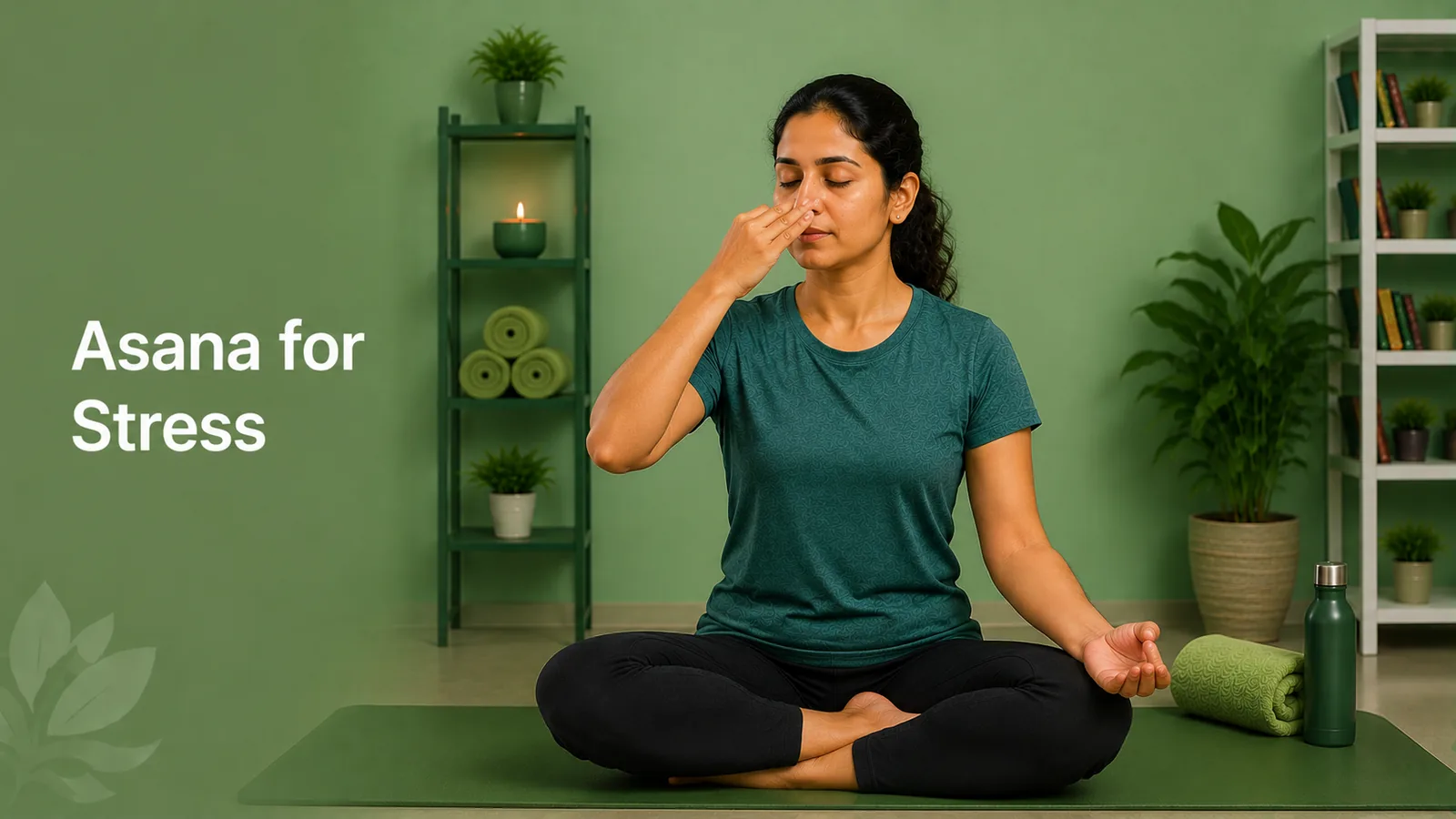
Asana for stress
Therapeutic Yogasanas

Asana for stress

Stress is the body’s natural physical and emotional response to pressure, challenges, or demanding situations. In today’s fast-paced lifestyle, stress has become a common concern affecting people of all age groups. Stress can arise due to work pressure, family responsibilities, financial concerns, emotional conflicts, health problems, lack of sleep, or major life changes. While short-term stress may help a person stay alert and focused, prolonged or chronic stress can negatively affect both physical and mental health. Continuous stress may lead to symptoms such as headaches, fatigue, anxiety, irritability, poor concentration, muscle tension, disturbed sleep, high blood pressure, digestive problems, and emotional exhaustion. Managing stress in a healthy and balanced manner is important for maintaining overall well-being and quality of life. Importance of Stress Asana Stress asana therapy focuses on guided yoga postures, pranayama, relaxation techniques, and mindful breathing practices that help calm the nervous system and relax the body and mind. Practices such as Sukhasana, Balasana, Shavasana, Vajrasana, Anulom Vilom, and deep breathing exercises help reduce stress hormones, improve mental clarity, and promote emotional balance. Regular practice of stress-relieving asanas may help improve sleep quality, enhance concentration, reduce anxiety, and create a sense of inner calmness and relaxation. These therapeutic practices also support better breathing patterns, muscle relaxation, and improved energy flow throughout the body. The Benefits of Practicing Stress Asana • Helps calm the mind and nervous system • Supports relaxation and emotional balance • Helps reduce anxiety, tension, and irritability • Improves sleep quality and mental clarity • Enhances breathing control and oxygen flow • Helps relieve muscle tightness and fatigue • Encourages positive thinking and inner peace • Promotes overall physical and mental well-being Our Approach at Prana Rehab Center At Prana Rehab Center, we help individuals manage stress naturally, improve emotional stability, restore mental calmness, and support long-term physical and psychological wellness through a holistic rehabilitation approach.

Know More
Asana for Bronchial Asthma
Therapeutic Yogasanas

Asana for Bronchial Asthma

Asthma is a chronic respiratory condition that affects the airways of the lungs, making breathing difficult. In people with asthma, the airways become inflamed, swollen, and sensitive, which can lead to symptoms such as wheezing, shortness of breath, chest tightness, coughing, and difficulty in breathing. Asthma attacks may be triggered by factors such as dust, smoke, pollution, allergies, cold weather, stress, infections, physical exertion, or environmental irritants. The severity of asthma can vary from person to person, and if not properly managed, it may interfere with daily activities, sleep quality, and overall health. Proper breathing management, lifestyle modifications, and relaxation techniques play an important role in improving respiratory function and quality of life. Importance of Asthma Asana Asthma asana therapy focuses on guided yoga postures, pranayama, breathing exercises, and relaxation techniques that help improve lung function and breathing efficiency. Practices such as Bhujangasana, Vajrasana, Sukhasana, Matsyasana, Anulom Vilom, and deep breathing exercises help open the chest, improve oxygen intake, and strengthen respiratory muscles. Regular practice of asthma asanas may help reduce breathing difficulty, improve chest expansion, enhance relaxation, and support better control over stress-related breathing problems. These therapeutic practices also encourage calm breathing patterns and improve overall physical and mental wellness. The Benefits of Practicing Asthma Asana • Helps improve lung capacity and breathing control • Supports better oxygen circulation throughout the body • Helps reduce chest tightness and breathing discomfort • Enhances relaxation and reduces stress-related triggers • Strengthens respiratory muscles and chest expansion • Improves posture and overall physical endurance • Encourages calm and controlled breathing patterns • Promotes overall respiratory and mental well-being Our Approach at Prana Rehab Center Our holistic approach helps people improve breathing efficiency, reduce respiratory discomfort, enhance relaxation, and support long-term respiratory health through a holistic rehabilitation approach.

Know More
Asana for constipation
Therapeutic Yogasanas

Asana for constipation

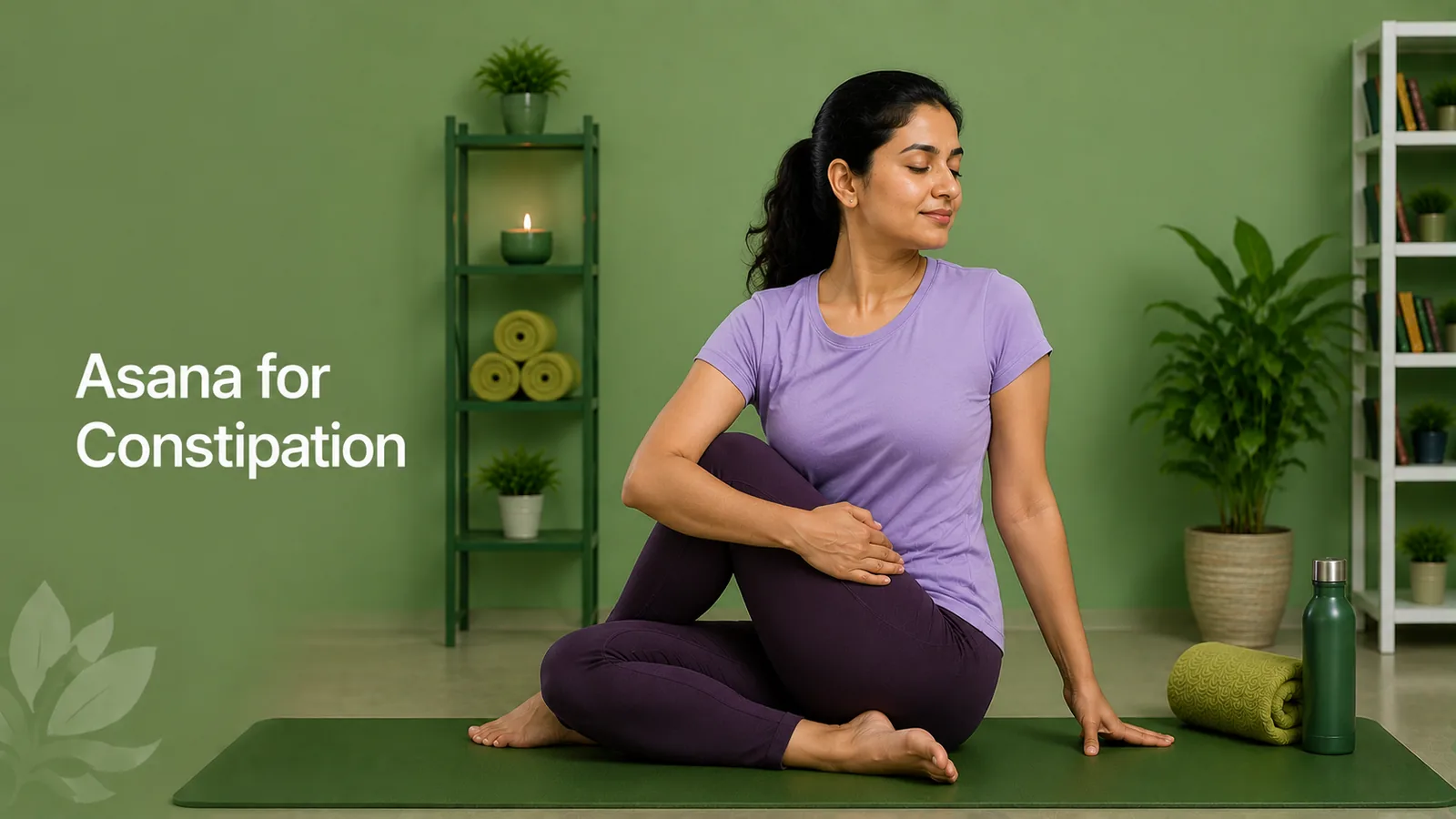
Constipation is a digestive condition in which a person experiences difficulty in passing stools, infrequent bowel movements, or a feeling of incomplete bowel evacuation. It may occur due to factors such as low fiber intake, dehydration, lack of physical activity, stress, irregular eating habits, certain medications, or digestive disorders. People with constipation may experience symptoms such as bloating, abdominal discomfort, hard stools, stomach heaviness, gas formation, and reduced appetite. If constipation continues for a long period, it may affect digestion, energy levels, comfort, and overall quality of life. Maintaining healthy digestion and regular bowel movements is important for overall physical well-being. Importance of Constipation Asana Constipation asana therapy focuses on guided yoga postures, stretching movements, abdominal exercises, and breathing techniques that help stimulate digestion and improve bowel function. Practices such as Pavanamuktasana, Vajrasana, Paschimottanasana, Bhujangasana, Malasana, and deep breathing exercises help improve abdominal circulation, support intestinal movement, and reduce digestive discomfort. Regular practice of constipation asanas may help improve digestion, reduce bloating, encourage regular bowel movements, and relax the abdominal muscles. These therapeutic practices also help reduce stress, which can often contribute to digestive problems. The Benefits of Practicing Constipation Asana • Helps stimulate digestion and bowel movement • Supports better abdominal circulation and gut function • Helps reduce bloating, gas, and stomach discomfort • Enhances flexibility and relaxation of abdominal muscles • Encourages regular and healthy bowel habits • Helps reduce stress-related digestive disturbances • Improves overall digestive efficiency and metabolism • Promotes overall physical comfort and well-being Our Approach at Prana Rehab Center At Prana Rehab Center, the goal is to help individuals improve digestion, support healthy bowel movements, reduce digestive discomfort, and maintain long-term digestive wellness through a holistic rehabilitation approach.

Know More
Asana for insomnia
Therapeutic Yogasanas

Asana for insomnia

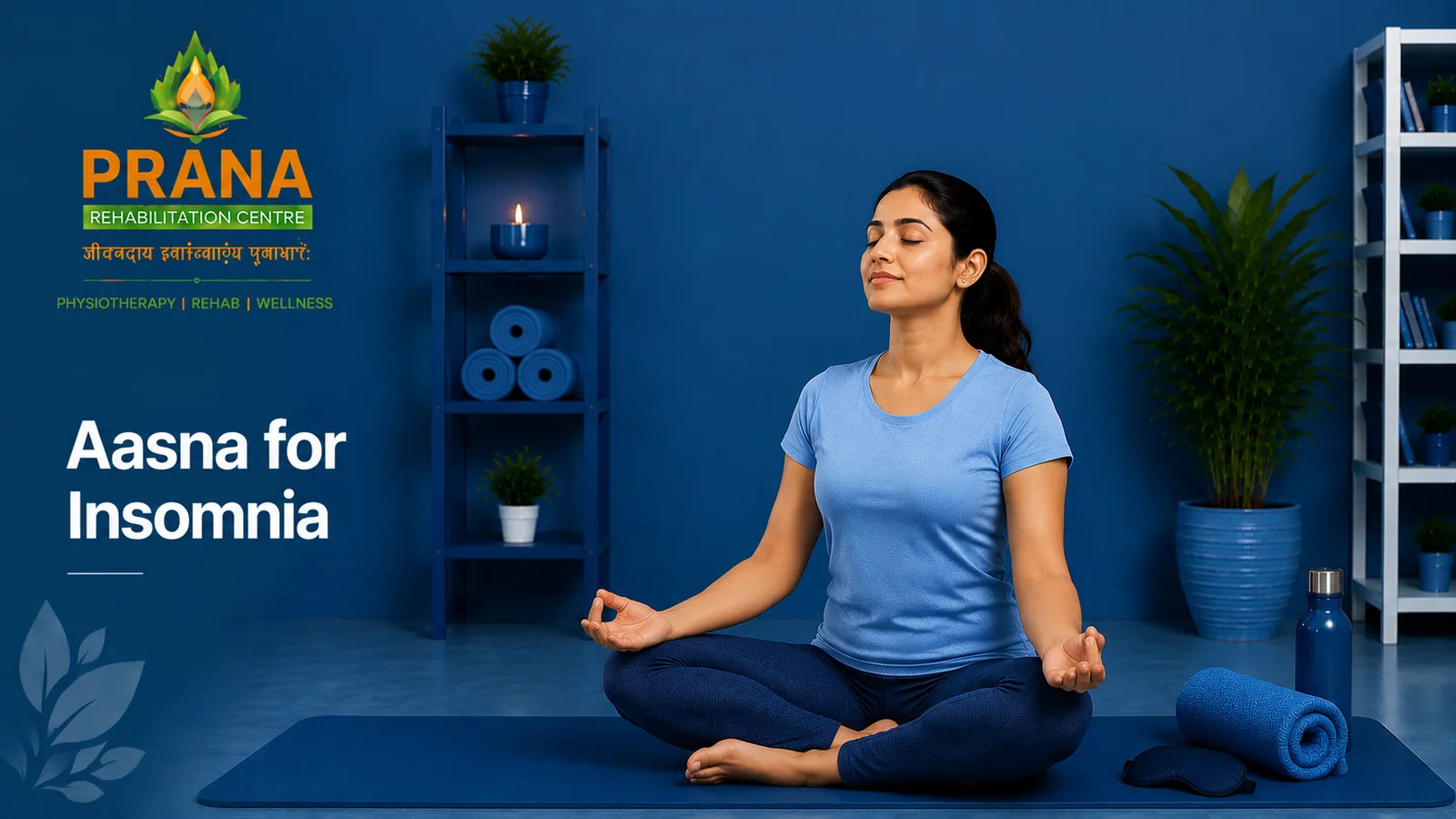
Insomnia is a sleep disorder in which a person experiences difficulty in falling asleep, staying asleep, or getting restful sleep. People with insomnia may wake up frequently during the night, wake up too early, or feel tired even after sleeping. Insomnia can occur due to factors such as stress, anxiety, depression, irregular sleep habits, excessive screen time, medical conditions, poor lifestyle patterns, or emotional disturbances. Lack of proper sleep may affect concentration, mood, memory, energy levels, productivity, and overall physical and mental health. Long-term sleep disturbances can also increase the risk of fatigue, irritability, weakened immunity, and reduced quality of life. Importance of Insomnia Asana Insomnia asana therapy focuses on guided yoga postures, relaxation techniques, pranayama, and mindful breathing practices that help calm the nervous system and prepare the body for restful sleep. Practices such as Shavasana, Balasana, Viparita Karani, Sukhasana, Vajrasana, Anulom Vilom, and deep breathing exercises help relax the mind, reduce stress, and improve sleep quality. Regular practice of insomnia asanas may help reduce mental overactivity, ease muscle tension, improve emotional balance, and support natural sleep patterns. These therapeutic practices also help promote relaxation, mental calmness, and overall well-being. The Benefits of Practicing Insomnia Asana • Helps calm the mind and nervous system • Supports better sleep quality and relaxation • Helps reduce stress, anxiety, and mental tension • Enhances emotional balance and mental calmness • Helps relax muscles and reduce physical fatigue • Encourages healthy breathing and relaxation patterns • Improves concentration, energy, and daily functioning • Promotes overall physical and mental well-being Our Approach at Prana Rehab Center We help individuals achieve restful sleep, reduce mental stress, improve relaxation, and support long-term sleep health through a holistic rehabilitation approach.

Know More

Frequently Asked Questions

What conditions can naturopathy help treat?

Naturopathy may help with stress, obesity, digestive issues, pain management, detoxification, and lifestyle disorders.

What therapies are used in naturopathy?

Common therapies include hydrotherapy, mud therapy, massage, yoga, diet therapy, and detox treatments.

Are medicines used in naturopathy treatment?

Naturopathy mainly focuses on natural healing methods without heavy medication.

Is diet important in naturopathy?

Yes, healthy nutrition and lifestyle changes are key parts of naturopathy treatment.

Do you offer personalized naturopathy plans?

Yes, treatment plans are customized based on individual health needs.

Is yoga included in naturopathy treatment?

Yes, yoga and breathing exercises are often included for holistic healing.

Can naturopathy help with detoxification?

Yes, detox therapies help remove toxins and improve body function naturally.

How can I book a naturopathy consultation?

You can download mobile app from store or contact Prana Rehab through phone/WhatsApp +91 944 272 4890, or the website (https://pranarehabtrichy.com/) to schedule an appointment.

Related Articles

Pain Rehabilitation
Pain Rehabilitation

Pain Management Pain is one of the most common health concerns affecting people of all ages. It may arise due to poor posture, injury, muscle …

Stress Management
Stress Management

Stress Management: Finding Balance in a Busy World Why Stress Has Become So Common ? In today’s fast-paced lifestyle, stress has quietly become a part …

Diet Therapy
Diet Therapy

"மருந்தென வேண்டாவாம் யாக்கைக்கு அருந்தியது அற்றது போற்றி உணின்" Diet plays a vital role in maintaining good health, preventing illness, and supporting recovery. It is not merely …

View All Blogs