“Recover Faster with Our Advanced Rehab Programs” Explore Programs

Showing treatments for Medical Psychology
Headache
Medical Psychology

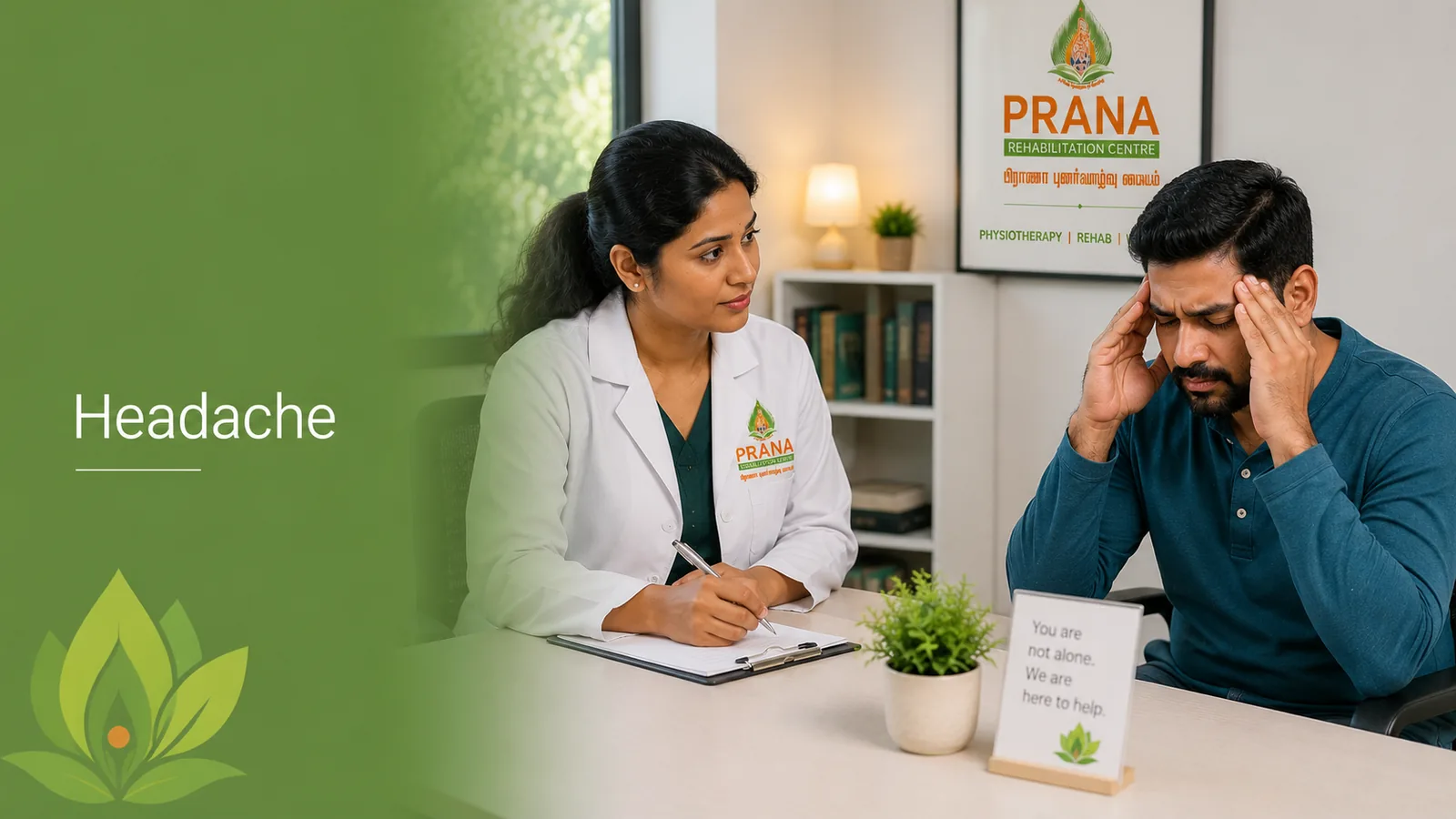
Headache

Headaches are one of the most common health concerns today. Nearly 50% of adults experience headaches each year. While physical factors such as dehydration, lack of sleep, or illness can contribute, headaches are also closely linked to stress, anxiety, and emotional strain. Stress and Headaches When a person is under prolonged stress, overthinking, or emotional exhaustion, the body often remains in a state of tension. This can lead to tightness in the muscles of the head, neck, and shoulders — triggering stress-related headaches. Common Emotional Triggers Stress and anxiety Work or academic pressure Poor sleep patterns Emotional burnout Overthinking Mental fatigue Identifying these triggers is the first and most important step in managing recurring headaches. Our Approach: Identify and Modify At Prana, we focus on helping individuals recognize their unique emotional and lifestyle triggers that contribute to headaches. Once the triggers are identified, we guide individuals through practical lifestyle modifications, which may include: Improving sleep routines and sleep hygiene Stress management and relaxation techniques Mindfulness and breathing exercises Work-life balance strategies Screen-time and digital habit regulation Emotional regulation and coping skills These structured changes help reduce the frequency and intensity of headaches while improving overall well-being. Support for Headache Management Through structured guidance and counselling, we support individuals in building healthier daily habits and emotional resilience. When stress patterns are understood and modified, the mind and body begin to function in better balance. "At Prana, we identify the trigger, so you can break free from recurring headaches and reclaim your calm."

Know More
Seizure/Fits
Medical Psychology

Seizure/Fits

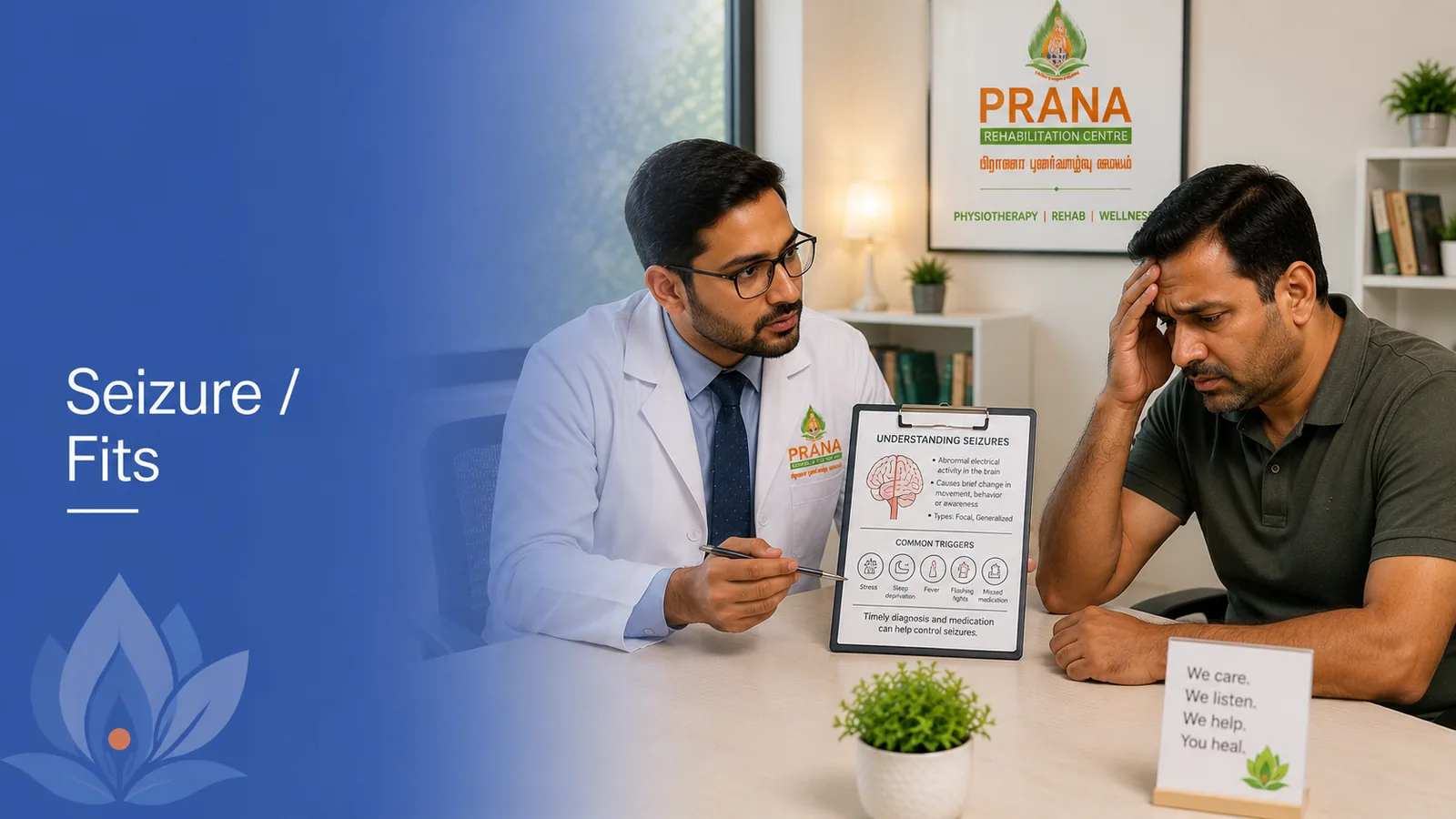
Seizure and the Brain-Body Connection India is estimated to have more than 10 million people living with epilepsy, making it one of the countries with the highest burden of seizure disorders in the world. Studies suggest that nearly 1 in 100 individuals may experience epilepsy during their lifetime. The prevalence of seizures is observed to be slightly higher in rural areas, where limited access to neurological care, delayed diagnosis, and lack of medical facilities often affect timely treatment. In addition, social stigma, misconceptions, and poor awareness about epilepsy continue to prevent many individuals from seeking proper medical attention. As a result, nearly 50–60% of people with seizure disorders in India remain untreated or undertreated — highlighting the urgent need for awareness, early intervention, rehabilitation support, and accessible neurological healthcare services. Seizures are sudden, uncontrolled electrical disturbances in the brain that can affect behaviour, movements, sensations, or awareness. They may vary from brief lapses in attention to full-body convulsions. While seizures are primarily neurological in origin, their frequency and intensity can be influenced by physical, emotional, and environmental factors. Stress and Seizures The brain is highly sensitive to emotional and physiological stress. In individuals with seizure disorders, prolonged stress, anxiety, or emotional instability can act as a triggering factor by increasing brain excitability. Although stress does not directly cause epilepsy, it can lower the seizure threshold — making episodes more likely in susceptible individuals. Common Emotional and Lifestyle Triggers Seizure activity may be influenced or triggered by several non-structural factors such as: Emotional stress and anxiety Sleep deprivation or irregular sleep patterns Overexertion and physical fatigue Missed meals or blood sugar fluctuations Excessive screen exposure or sensory overload Alcohol or stimulant intake where applicable Sudden emotional distress or shock Identifying these triggers plays a key role in better seizure management and prevention. Our Approach: Identify and Modify At Prana, we focus on understanding each individual's seizure pattern along with possible lifestyle and emotional contributors. A detailed assessment helps in identifying personal triggers and risk factors. Based on this understanding, we guide individuals through structured lifestyle modifications such as: Sleep hygiene optimization and routine stabilization Stress management and relaxation therapies Breathing techniques and mindfulness practices Regular meal scheduling and metabolic balance support Reduction of sensory overload and screen exposure Emotional regulation and coping skill development Structured daily routines for neurological stability These interventions support overall brain stability and help reduce seizure risk triggers. Support for Seizure Management Through continuous guidance, education, and supportive care strategies, individuals and caregivers are empowered to manage seizures more effectively. A stable routine, reduced stress load, and improved self-awareness can significantly support neurological balance and quality of life. "At Prana, we help you identify your triggers and support your journey toward greater stability, safety, and confidence."

Know More
Vertigo
Medical Psychology

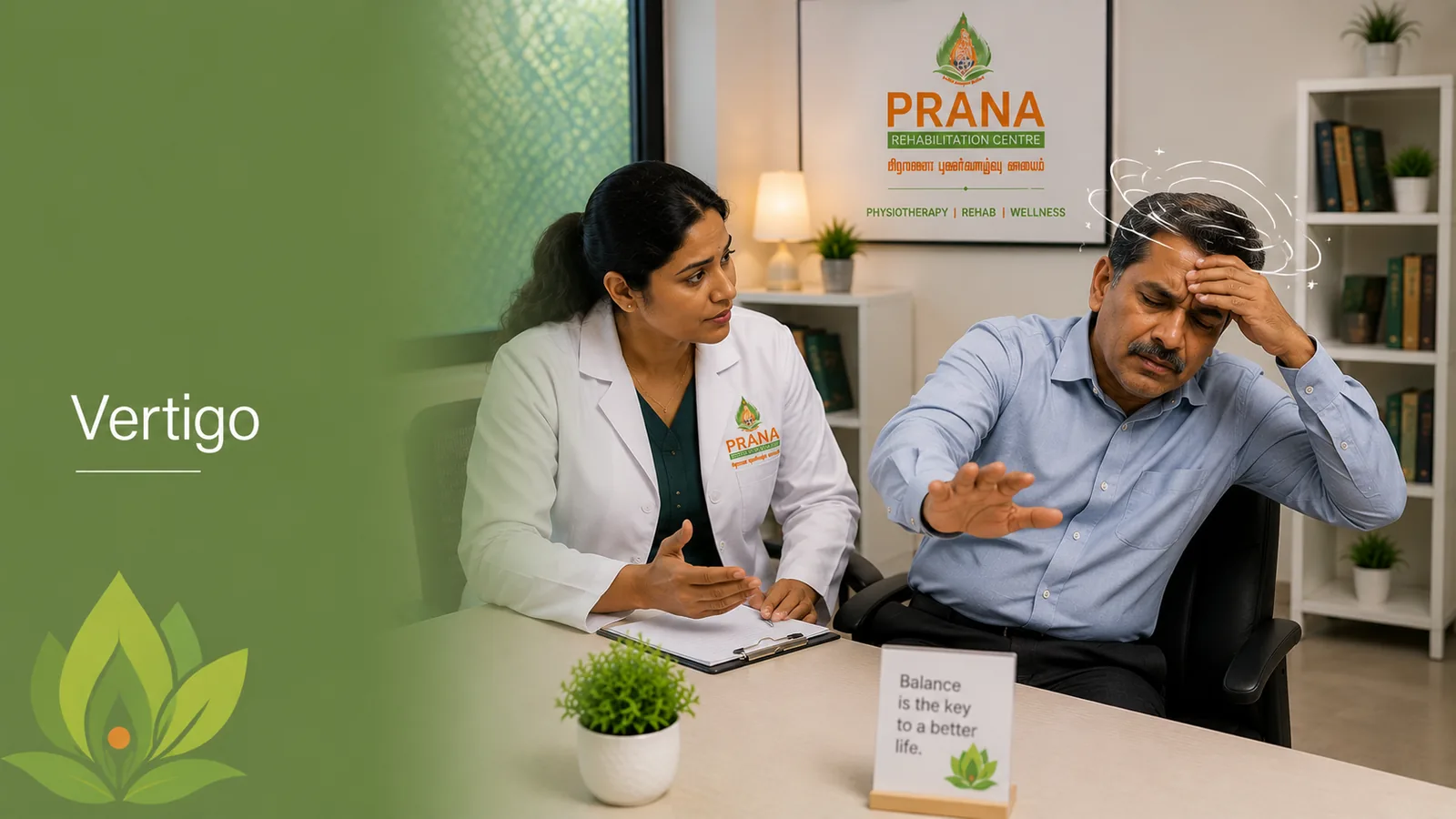
Vertigo

Vertigo is a sensation of spinning or dizziness, often described as feeling like the surroundings are moving even when the body is still. It commonly arises from disturbances in the inner ear, vestibular system, or brain pathways that control balance. While vertigo has a clear physiological origin, its symptoms are often influenced by stress, fatigue, and emotional imbalance. Stress and Vertigo The balance system of the body is closely linked with the nervous system. When a person experiences anxiety, chronic stress, or emotional tension, the body's autonomic responses become dysregulated. This can intensify dizziness, worsen imbalance, and increase sensitivity to movement or visual stimulation. Stress does not directly cause all forms of vertigo, but it can significantly aggravate episodes and slow down recovery. Common Emotional and Lifestyle Triggers Vertigo episodes may be influenced or worsened by several factors such as: Anxiety and emotional stress Sudden head movements or posture changes Sleep disturbances and fatigue Dehydration or poor fluid intake Excessive screen exposure or visual strain Overstimulation — bright lights, crowded environments Irregular daily routines Identifying these triggers helps in reducing episode frequency and improving balance stability. Our Approach: Identify and Modify At Prana, we focus on understanding each individual's vertigo pattern through a detailed assessment of vestibular function, lifestyle habits, and emotional stress factors. Once triggers are identified, we guide individuals through structured lifestyle modifications such as: Vestibular rehabilitation and balance retraining exercises Stress management and relaxation techniques Breathing exercises and mindfulness practices Sleep regulation and fatigue management Hydration and dietary routine stabilization Gradual exposure strategies for movement and visual triggers Emotional regulation and coping strategies These interventions help the brain and body adapt better, improving balance control and reducing dizziness episodes. Support for Vertigo Management Through guided rehabilitation and consistent lifestyle correction, individuals can regain confidence in movement and reduce fear of dizziness. When the vestibular system is supported with structured training and emotional balance is improved, overall stability and quality of life significantly enhance. "At Prana, we help you identify your triggers and restore your balance — so you can move with confidence again."

Know More
Tinnitus
Medical Psychology

Tinnitus

Tinnitus is the perception of sound — such as ringing, buzzing, hissing, or humming in the ears — without an external sound source. It is commonly linked to changes in the auditory system, including the inner ear, auditory nerve, or brain pathways that process sound. While tinnitus has a clear neurological and auditory basis, its intensity and perception are often influenced by stress, emotional health, and lifestyle factors. Stress and Tinnitus The auditory system is closely connected to the brain's stress response system. When a person experiences anxiety, chronic stress, or emotional exhaustion, the brain becomes more alert and sensitive to internal signals. This heightened state can make tinnitus sound more noticeable and distressing. Stress does not directly cause tinnitus in all cases, but it can significantly worsen perception, increase awareness of sound, and reduce the ability to ignore it. Common Emotional and Lifestyle Triggers Tinnitus symptoms may become more prominent due to several factors such as: Anxiety and chronic stress Emotional fatigue or burnout Sleep disturbances and poor rest Excessive silence or lack of background sound High caffeine or stimulant intake Prolonged exposure to loud noise Overthinking and heightened focus on sound perception Irregular daily routines Identifying these triggers is essential for reducing distress and improving coping ability. Our Approach: Identify and Modify At Prana, we focus on a holistic understanding of tinnitus by assessing both auditory health and lifestyle-related influences. Each individual's triggers are identified through detailed evaluation, and a personalized management plan is developed. Our structured interventions include: Sound therapy and auditory habituation techniques Stress management and relaxation training Breathing exercises and mindfulness practices Sleep improvement strategies and routine regulation Caffeine and stimulant reduction guidance Counselling for attention redirection and coping skills Gradual desensitization to sound awareness These approaches help the brain adapt to tinnitus perception and reduce its emotional impact. Support for Tinnitus Management Through consistent guidance and structured rehabilitation, individuals can learn to manage tinnitus more effectively and reduce its impact on daily life. When stress levels are controlled and attention is redirected, the brain gradually learns to filter out unwanted sound perception. "At Prana, we help you identify your triggers and retrain your response — so tinnitus no longer controls your attention or peace of mind."

Know More
Stroke
Medical Psychology

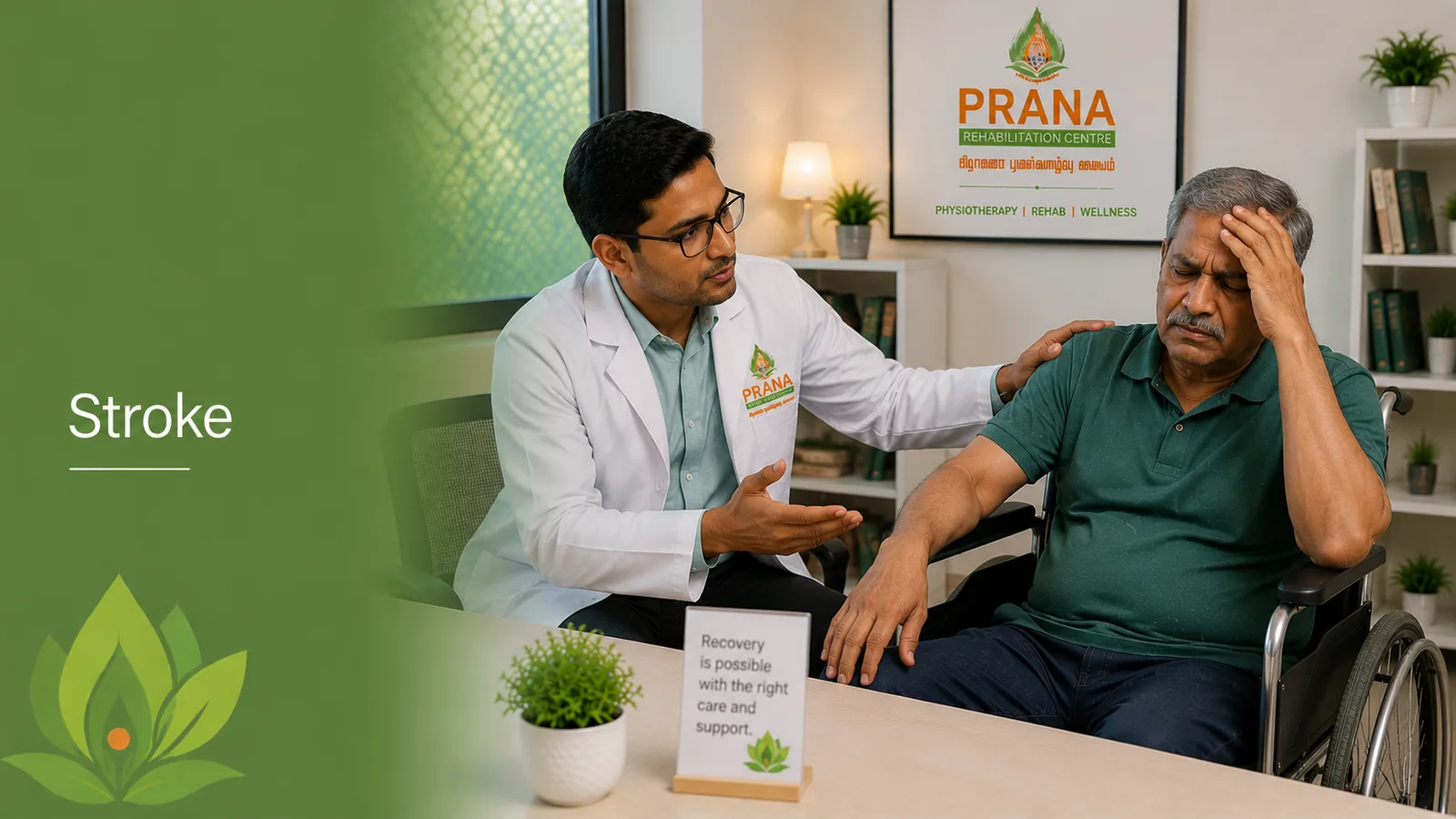
Stroke

Stroke is a serious medical condition caused by disruption of blood flow to the brain due to a blockage or bleeding. It is one of the leading causes of death and disability worldwide. In India, the burden is significantly high — with an estimated 1.2 to 1.8 million new stroke cases occurring every year — and the numbers continue to rise due to changing lifestyle patterns and increasing non-communicable disease risk factors. Risk Factors and Lifestyle Triggers Stroke risk does not develop suddenly — it builds over time through daily habits and health patterns. Common contributing factors include: Uncontrolled blood pressure Diabetes and high cholesterol Physical inactivity Unhealthy dietary patterns Smoking and alcohol use Chronic stress and poor sleep Sedentary lifestyle and irregular routines These factors often remain unnoticed until they collectively increase long-term stroke risk. Our Approach: Lifestyle Analysis and Trigger Identification At Prana, we focus on understanding individual lifestyle patterns in detail. We work closely with both patients and caregivers to identify underlying behavioural, emotional, and environmental triggers that may increase stroke risk. Once these triggers are identified, we guide structured lifestyle modifications such as: Blood pressure-friendly diet and nutrition guidance Regular physical activity planning based on individual capacity Sleep cycle regulation and routine building Stress management and emotional regulation techniques Reducing sedentary habits and improving daily movement Habit restructuring for long-term brain and heart health Caregiver Involvement and Psychoeducation Caregivers play a crucial role in prevention and recovery. We provide psychoeducation to families to help them understand: Early lifestyle warning patterns Risk-related behaviour changes Medication and routine adherence support Emotional and behavioural care strategies at home Long-term prevention-focused daily practices This shared understanding strengthens both prevention and recovery outcomes. Prevention-Focused Awareness With a large and growing stroke burden in India, prevention through lifestyle awareness is essential. Small, consistent changes in daily habits can significantly reduce long-term risk and improve quality of life. At Prana, we actively support this prevention journey through structured lifestyle assessment, trigger identification, caregiver involvement, and personalized intervention plans. "At Prana, we don't just look at stroke — we look at the life behind it, identify the triggers early, and guide you toward a healthier tomorrow."

Know More
Tremor(Anxiety)
Medical Psychology

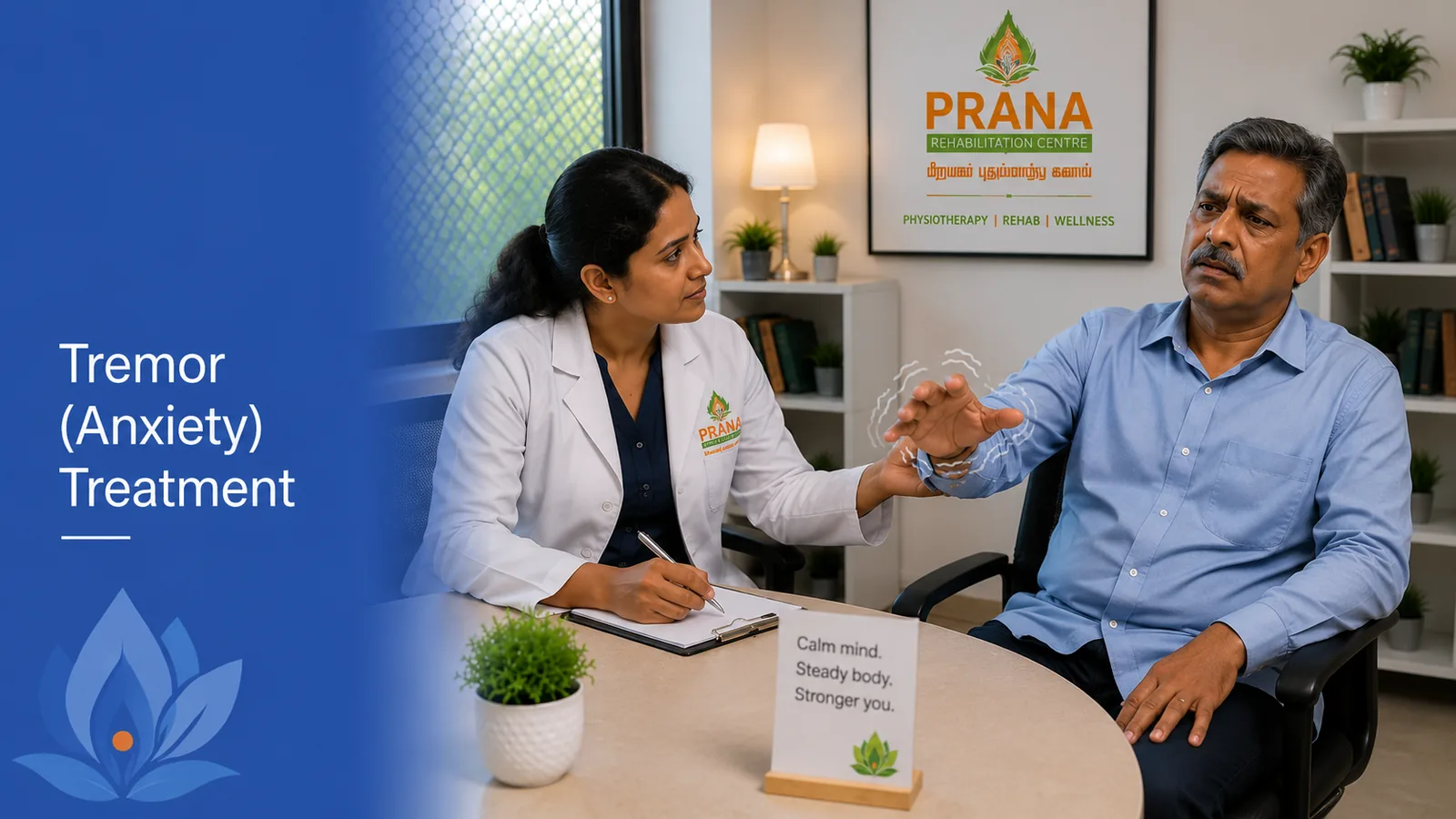
Tremor(Anxiety)

Tremor and the Mind-Body Connection Tremor is an involuntary, rhythmic shaking movement that most commonly affects the hands, but can also involve the head, voice, or other parts of the body. It may be associated with neurological conditions, medication effects, metabolic imbalances, or stress-related factors. While tremor has a strong neurological basis, its severity is often influenced by emotional and psychological states as well. Stress and Tremor The mind and body function as an integrated system. When a person experiences anxiety, prolonged stress, or emotional overload, the nervous system becomes more reactive. This heightened state of arousal can increase muscle activation and worsen the visibility of tremors. Stress does not usually cause tremor on its own, but it can significantly amplify existing tremor patterns. Common Emotional and Lifestyle Triggers Tremor intensity may increase due to several non-structural factors, including: Anxiety and chronic stress Emotional tension or nervousness Fatigue and sleep deprivation Excess caffeine or stimulants Overstimulation — mental or sensory overload Performance pressure or social anxiety Irregular daily routines Identifying these triggers helps in understanding fluctuations in tremor severity and daily variation in symptoms. Our Approach: Identify and Modify At Prana, we focus on a comprehensive understanding of each individual's tremor pattern by identifying both neurological and lifestyle-related contributors. Once triggers are recognized, we guide individuals through structured lifestyle and behavioural modifications such as: Stress reduction and relaxation techniques Breathing exercises and mindfulness training Sleep regulation and recovery improvement Reduction of stimulants like caffeine Task simplification and adaptive strategies for daily activities Emotional regulation and coping skill development Structured daily routines to reduce nervous system overload These interventions help reduce the functional impact of tremor and improve confidence in daily activities. Support for Tremor Management Through consistent guidance, counselling, and rehabilitative strategies, individuals are supported in adapting to tremor while improving control and stability in daily life. When stress response and lifestyle patterns are effectively managed, the nervous system becomes more regulated — leading to better functional outcomes. "At Prana, we help you identify your triggers and build control so tremor does not control your life."

Know More

Frequently Asked Questions

Do you treat anxiety and depression?

Yes, we provide counseling and therapy for anxiety, depression, and stress.

Are Counselling Sessions confidential ?

Yes, all sessions are completely private and confidential.

Do you offer individual counselling ?

Yes, personalized one-on-one therapy sessions are available.

Is therapy helpful for stress management?

Yes, therapy helps reduce stress and improve emotional balance.

Do you provide online counselling sessions ?

Yes, online consultations may be available.

How long does therapy take ?

Th duration depends on individual needs and recovery progress.

How do i know if i need counselling ?

If emotional or behavioral issues affects daily life, counselling can help.

How can i book an appointment ?

You can download mobile app from store or contact Prana Rehab through phone/WhatsApp +91 944 272 4890, or the website (https://pranarehabtrichy.com/) to schedule an appointment.

Related Articles
Pain Rehabilitation
Pain Rehabilitation

Pain Management Pain is one of the most common health concerns affecting people of all ages. It may arise due to poor posture, injury, muscle …

Stress Management
Stress Management

Stress Management: Finding Balance in a Busy World Why Stress Has Become So Common ? In today’s fast-paced lifestyle, stress has quietly become a part …

Diet Therapy
Diet Therapy

"மருந்தென வேண்டாவாம் யாக்கைக்கு அருந்தியது அற்றது போற்றி உணின்" Diet plays a vital role in maintaining good health, preventing illness, and supporting recovery. It is not merely …

View All Blogs