Our Integrated Rehabilitation for Neuromuscular disorders
Integrated Rehabilitation for Neuromuscular disorders
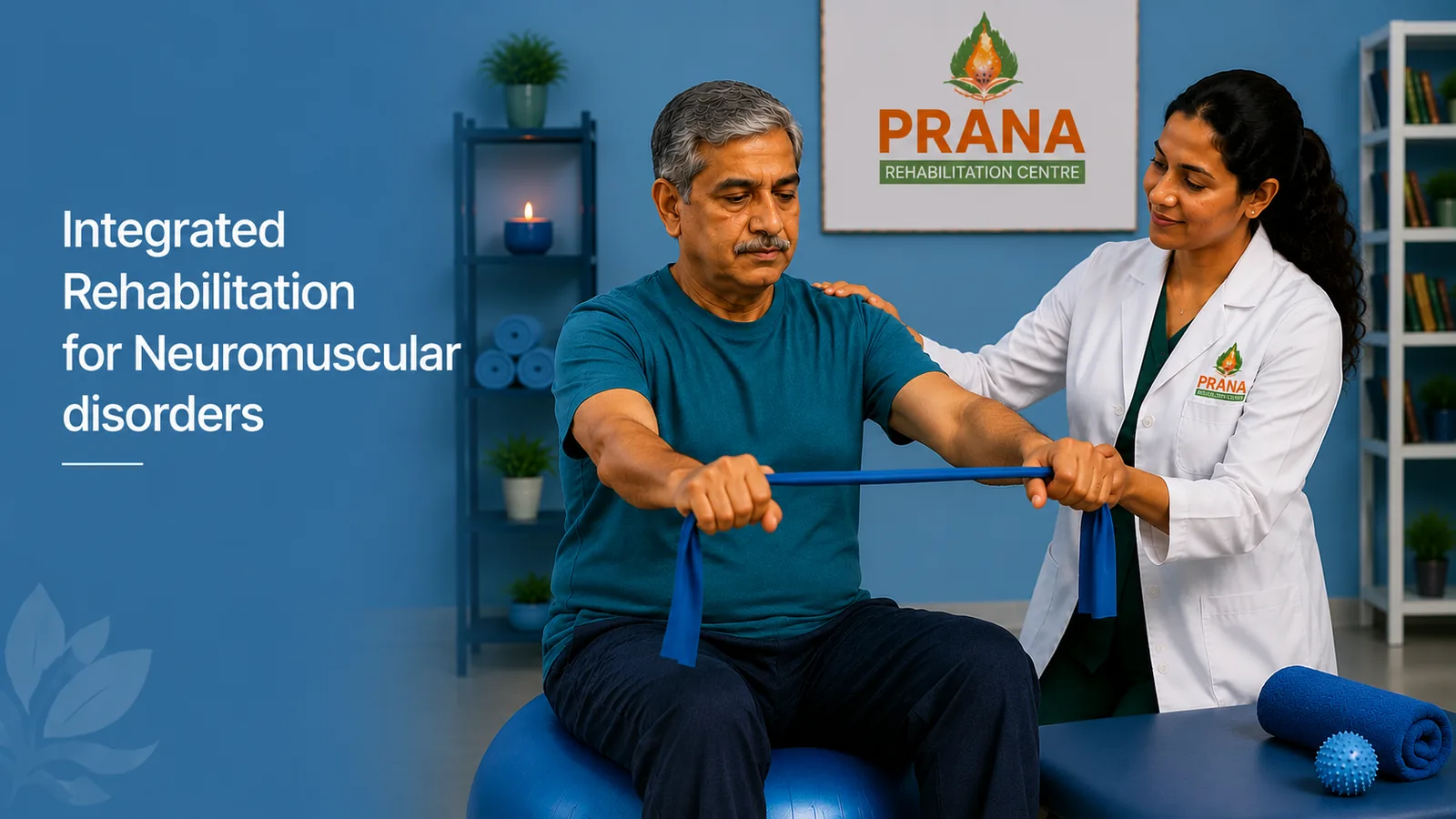
Muscular diseases are a group of conditions that affect muscle strength, endurance, and overall physical function. These conditions may be genetic, autoimmune, metabolic, or secondary to nerve involvement. Common disorders such as muscular dystrophy and other myopathies can lead to progressive weakness, difficulty in walking, reduced balance, fatigue, and challenges in performing daily activities independently.
At Prana Rehabilitation Centre, our Neuromuscular Disease Rehabilitation program is designed to provide compassionate, structured, and long-term supportive care that helps individuals maintain muscle function, improve mobility, prevent complications, and enhance overall quality of life. Our approach focuses on preserving independence for as long as possible through safe, guided, and individualized rehabilitation programs.
We also understand that muscular diseases affect not only physical strength but also emotional well-being and family life. Patients may experience fatigue, frustration, reduced confidence, and dependency, while caregivers may face long-term care challenges. Our integrated care model supports both patients and families through continuous rehabilitation and education.
Our Neuromuscular Disease Rehabilitation Program Includes
- Gentle strengthening and endurance exercises
- Range of motion (ROM) and flexibility exercises
- Stretching to prevent stiffness and contractures
- Postural correction and alignment training
- Gait training and mobility support
- Balance and coordination exercises
- Breathing and respiratory exercises as required
- Functional training for daily activities (ADLs)
- Fatigue management and energy conservation strategies
- Assistive device training if needed
- Caregiver training and home care guidance
- Psychological support and emotional encouragement
- Risk reduction and complication prevention strategies
Our Approach
Our rehabilitation program is individualized based on the type and severity of muscular disease, rate of progression, and functional abilities of the person. The focus is on maintaining existing muscle strength, slowing functional decline, and improving independence in daily life.
We emphasize safe, regular movement and activity pacing to avoid overexertion while promoting consistent exercise to preserve muscle function. Education on posture, safe mobility, and daily activity management is an important part of rehabilitation.
As part of our integrated approach, we also provide psychological support including emotional coping strategies, motivation building, stress management, and long-term adjustment support. Along with this, we include naturopathy-based care such as yoga, meditation, and breathing exercises to support relaxation and overall well-being. We also focus on risk reduction strategies such as fall prevention, joint stiffness prevention, fatigue management, and maintaining a safe home environment.
Benefits of Neuromuscular Disorder Rehabilitation
- Helps maintain muscle strength and function
- Improves mobility, balance, and coordination
- Reduces risk of stiffness and contractures
- Enhances independence in daily activities
- Supports better posture and movement control
- Reduces fatigue through energy conservation techniques
- Improves breathing and physical endurance where involved
- Prevents complications related to long-term weakness
- Enhances emotional well-being and confidence
- Provides caregiver education and long-term support
- Improves overall quality of life and functional ability
"We are committed to providing integrated, compassionate rehabilitation — helping individuals maintain strength, preserve independence, and live with dignity and confidence."
Integrated Approach Programs
How it works
At our stroke rehabilitation center, we focus on personalized care with expert physiotherapists and advanced therapy techniques to ensure safe, steady, and effective recovery.
Initial Assement
Understand patient condition
Personalized Plan
Tailored recovery program
Guided Therapy
Hands-on rehabilitation sessions
Patient & Family Education
Empowering through knowledge
Re-Assesment
Check recovery progress
Progress Tracking
Continuous improvement monitoring
Related Articles
Pain Management Pain is one of the most common health concerns affecting people of all ages. It may arise due to poor posture, injury, muscle …
Stress Management: Finding Balance in a Busy World Why Stress Has Become So Common ? In today’s fast-paced lifestyle, stress has quietly become a part …
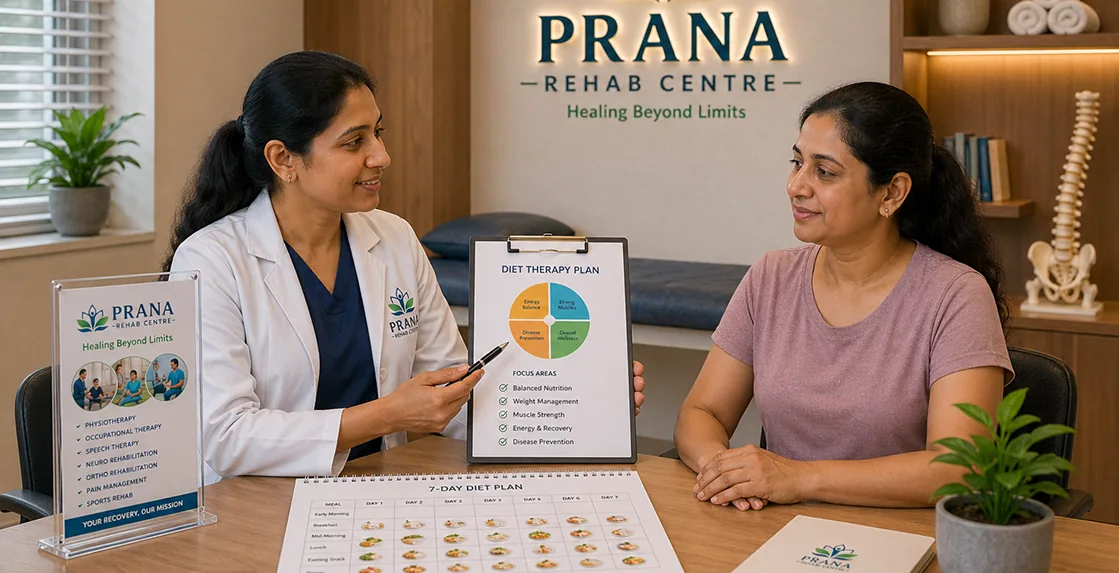
"மருந்தென வேண்டாவாம் யாக்கைக்கு அருந்தியது அற்றது போற்றி உணின்" Diet plays a vital role in maintaining good health, preventing illness, and supporting recovery. It is not merely …
Frequently Asked Questions
What is an integrated treatment approach?
An Integrated approach combines medical care, counseling, therapy, naturopathy, yoga and rehabilitations for holistic recovery.
Why is an integrated approach important in rehabilitation?
It treats the physical, mental, emotional, and behavioral aspects of recovery together.
What services are included in your integrated treatment approach?
Our approach includes medical treatment, psychology, physiotherapy, naturopathy, yoga, counseling, and wellness therapies.
Is the treatment plan personalized?
Yes, every treatment plan is customized based on individual recovery needs.
Does integrated treatment help prevent relapse?
Yes, it strengthens emotional balance and healthy coping skills for long-term recovery.
Is yoga included in the integrated rehabilitation program?
Yes, yoga and meditation are included to support mental and physical wellness.
Can physiotherapy be part of integrated treatment?
Yes, physiotherapy helps improve strength, mobility, and physical recovery.
How can I start integrated treatment at Prana Rehab?
You can download mobile app from store or contact Prana Rehab through phone/WhatsApp +91 944 272 4890, or the website (https://pranarehabtrichy.com/) to schedule an appointment.


